
Two very different dishes
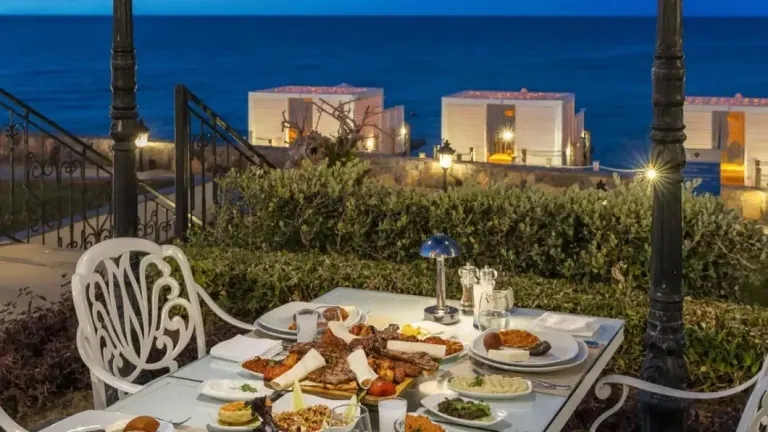
Molohiya is a leafy dish made with Corchorus leaves and commonly cooked with tomato, onion, garlic and lemon; meat or vegetarian versions vary. Kleftiko, also called kup kebab in local tourism information, centres on slowly cooked lamb or goat. They are not interchangeable “Cypriot specials.” Ask the kitchen about its own preparation rather than expecting one universal recipe.
Molohiya and the season
The leaves may be picked and dried for later cooking, so a menu can feature the dish outside the fresh picking period. A home-style restaurant may offer it only on certain days. Ask whether it contains lamb, chicken or no meat, and whether it is prepared with ingredients relevant to your allergy or diet. The tourism office describes both the plant and common cooking methods; our food guide places the dish in the wider local cuisine.
Kleftiko takes time
Slow cooking is central to the texture and flavour of kleftiko, which is often served with potatoes. A venue may require advance notice or sell out after a limited batch. Confirm the meat, portion, price and service time before arranging a long drive for a single meal. The village guide helps build a rural day without assuming every village restaurant is open.
Where to ask
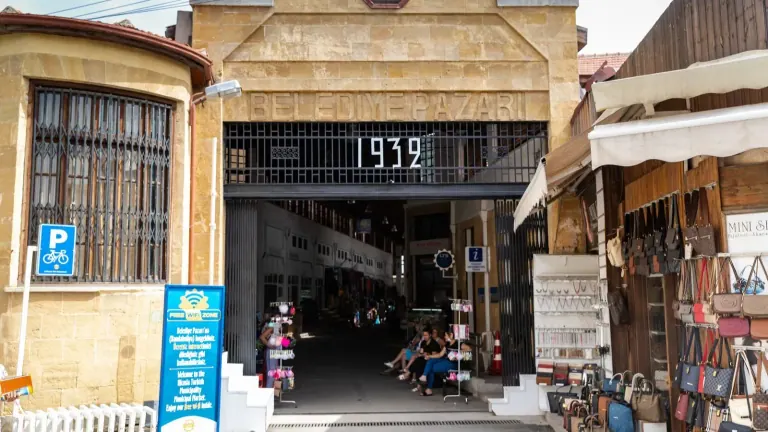
A Lefkoşa old-town lunch or a village meyhane may be more promising than a hotel buffet for a particular home-style dish, but no venue can be guaranteed from an old guide. The North Nicosia food walk is one starting point. Call ahead, ask what is available today and keep a second option. If you are unsure about an unfamiliar name, ask staff to describe ingredients rather than relying on a translated label.
Pair food with an area, not a checklist
Plan a short market or historic stop near your meal and leave time for conversation. Our Kyrenia meze guide covers a different type of food evening, and the hellim guide introduces a widely available ingredient. Respect that recipes differ between families and communities; no article can define a single “authentic” plate for everyone.