Treat people as hosts, not exhibits
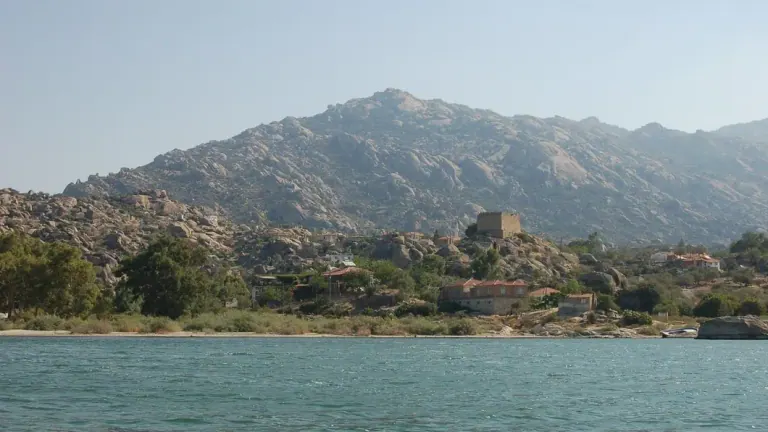
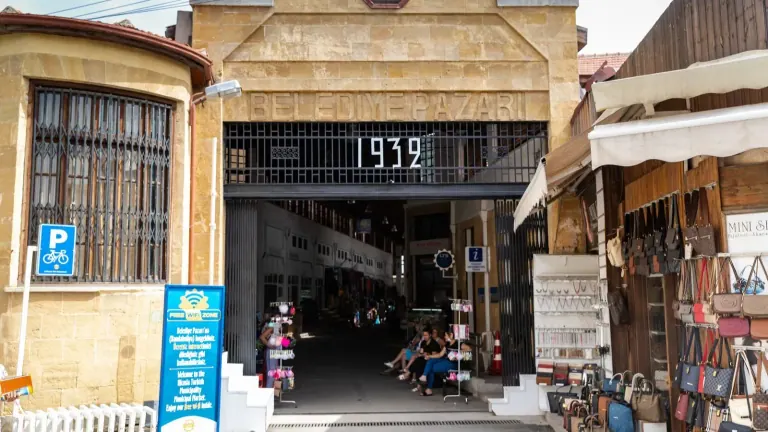
A village, market or old-town lane is a place where people live and work. Ask before photographing an individual, their home or a private workshop. Do not block a doorway for a group picture, and buy from a local maker when the product genuinely interests you. The village guide has ideas for a slower, more respectful rural visit.
At places of worship
Check whether visitors are welcome at that time, dress according to posted guidance, remove shoes when required and keep voices low. Avoid arriving in the middle of prayers or a ceremony purely to look around. A building may be both an architectural landmark and an active religious space. Our Selimiye guide explains the visitor questions for one well-known site in Lefkoşa.
At markets and restaurants
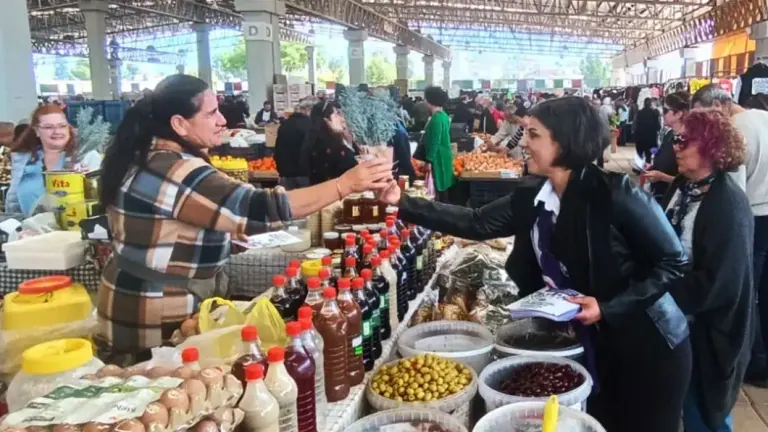
Greet staff, ask politely about the day’s food and clarify price or portion size before ordering. Some meze meals involve several courses; tell the kitchen about allergies before the first plate. Bargaining may suit some market goods but is not a default for every shop or artisan. The older market bargaining article offers a starting point, while our food guide helps with dishes.
Be thoughtful about history and politics
Place names and the island’s division can be personal. Listen rather than assuming one person speaks for a whole community. Follow border, heritage-site and photography rules even if another visitor ignores them. The UK government advises against photography near military or sensitive areas. Our history guide offers a broader route through different periods.
Leave nature undisturbed
Stay off marked turtle nests, keep lighting away from nesting beaches and take litter with you. Use a conservation group for wildlife visits instead of approaching animals closely. The turtle guide explains why some beaches close at night. Carry enough water on hot walks and respect gates and farm tracks; public access to a beach or trail does not extend to private land.